Logan Keller · 2 September 2026
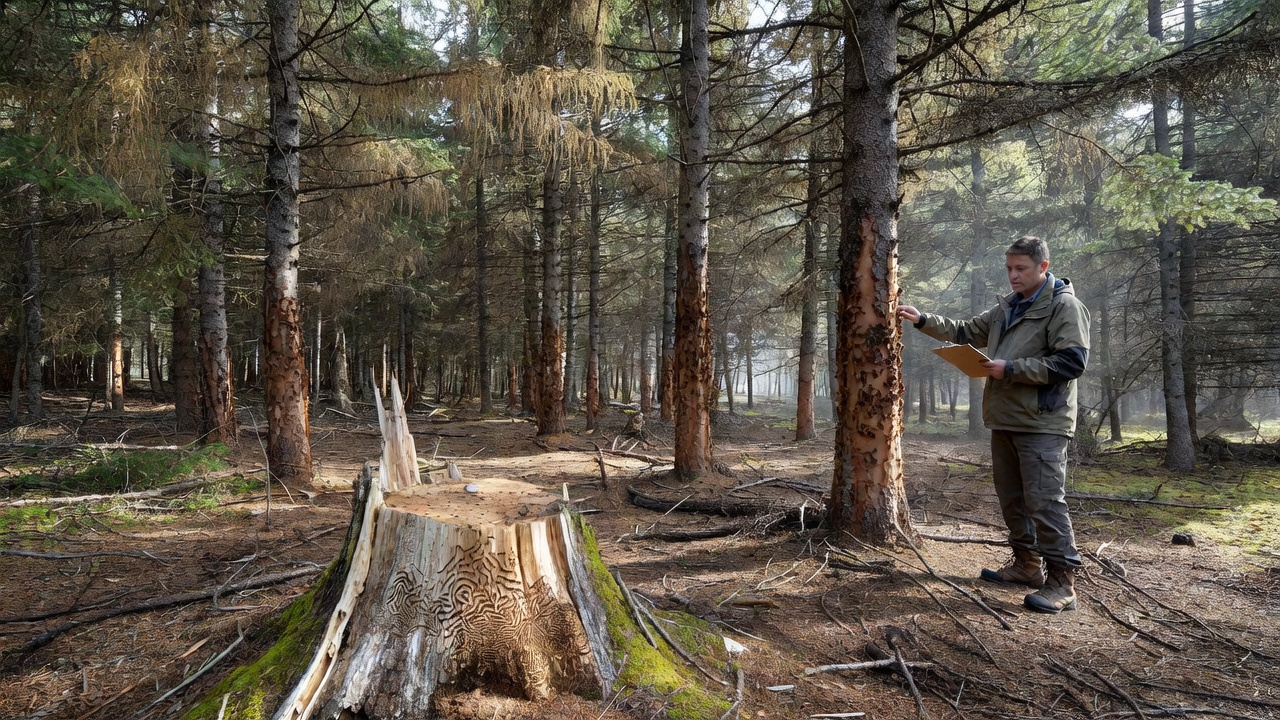
Recent environmental assessments indicate rising pest activity across Spruce Bay spruce forests. Bark beetles and spruce budworms have expanded their range due to warmer winters and stressed tree conditions. Local monitoring stations recorded a 35 percent increase in infested acreage compared with the previous season.
Officials note that prolonged drought has weakened natural defenses in mature stands. This combination of factors allows pests to reproduce faster and colonize new areas. Early detection remains critical to limit further spread.
Monitoring Efforts Underway
Field crews have deployed additional pheromone traps and aerial surveys to map current hotspots. Data from these tools feed into predictive models that forecast risk levels for the coming months. Researchers emphasize the value of integrated management that combines sanitation harvesting with targeted insecticide applications where necessary.
Community volunteers assist by reporting visible signs of damage such as pitch tubes and defoliation. Training sessions held last month equipped residents with identification guides and reporting protocols. Coordination between state forestry agencies and local landowners has improved response times to new detections.
Climate data collected over the past decade shows a clear correlation between rising temperatures and extended pest life cycles. Continued surveillance will help determine whether recent control measures are slowing the outbreak trajectory.
Potential Long-Term Effects
Unchecked infestations could reduce timber volume and alter forest composition over the next decade. Dead trees increase wildfire fuel loads and change habitat for birds and mammals that rely on healthy spruce. Water quality in downstream watersheds may also decline if erosion rises on slopes stripped of canopy cover.
Restoration plans under discussion include planting resistant spruce varieties and diversifying species mixes to build resilience. Economic analyses project impacts on local logging operations and tourism if scenic forest health continues to deteriorate. Ongoing reports will track both ecological metrics and management outcomes to guide future decisions.